
What Happened During: Sujud syukur jamaah haji kloter pertama saat tiba di tanah air
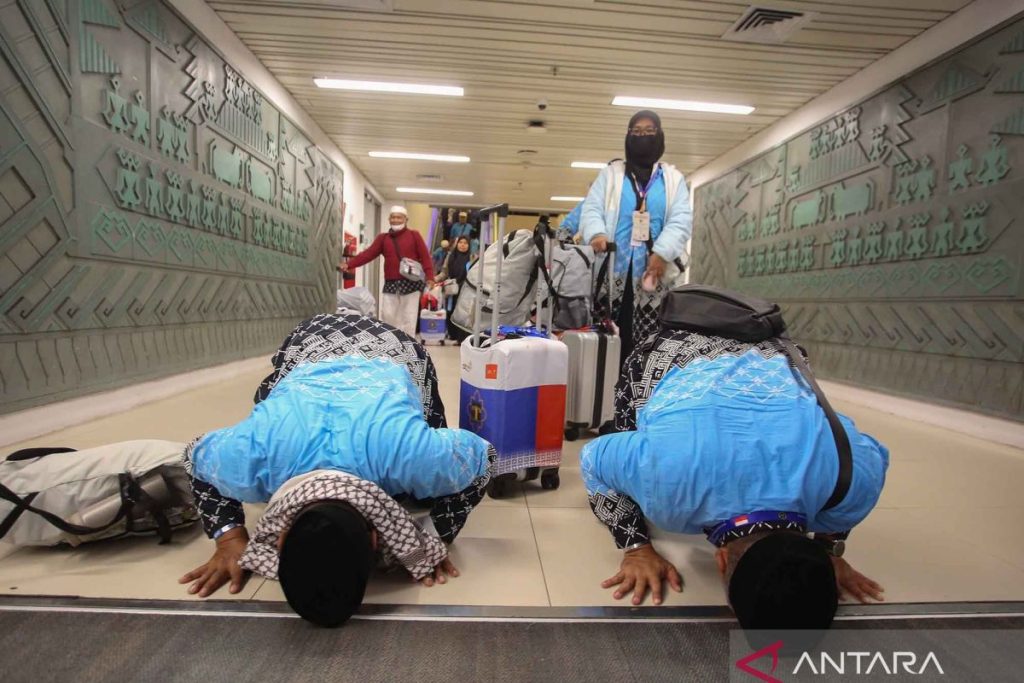
What Happened During the Return of the First Haji Kloter to Indonesian Soil
What Happened During the return of the first haji kloter to Indonesian soil has become a pivotal moment in the revival of the annual pilgrimage. After years of disruption due to the pandemic, the arrival of this group marked a significant step toward normalcy. The journey back to the homeland, which involved navigating health protocols and logistical challenges, was met with a mix of relief and joy. PPIH (Panitia Penyelenggara Ibadah Haji) highlighted the event as a symbol of hope for future haji operations, emphasizing the emotional and spiritual weight of this return.
Arrival of the DKI Jakarta Kloter at Soekarno Hatta Airport
On Monday, June 1, 2026, the first kloter from DKI Jakarta and other regions landed at Bandara Soekarno Hatta in Tangerang, Banten. What Happened During their arrival was a heartfelt celebration of completing the sacred pilgrimage. The 391 jamaah haji, who had spent months in Mecca, were greeted by officials and health personnel at Terminal 2 F Khusus Haji dan Umrah. Their sujud syukur, or prostration of gratitude, was a key ritual observed as they stepped off the plane, expressing deep appreciation for the opportunity to fulfill their religious duties.
ANTARA FOTO/Muhammad Iqbal/YU
What Happened During the process at the airport included temperature checks and medical screenings to ensure the safety of the jamaah. Despite the rigorous measures, the atmosphere remained warm and festive, with families and friends eagerly waiting to welcome the pilgrims. The arrival also served as a reminder of the cultural significance of the haji journey, which brings communities together in shared faith and tradition.
Malang and Surabaya Kloter’s Journey to Juanda Airport
Alongside the DKI Jakarta kloter, the first group from Malang, Surabaya, and Probolinggo arrived at Bandara Internasional Juanda in Sidoarjo, Jawa Timur, on the same day. What Happened During their debarkasi reflected the collective excitement of returning home. The photo caption by ANTARA FOTO/Umarul Faruq/YU captures a jamaah haji holding an ambulance tali, symbolizing both the physical and emotional relief of completing the pilgrimage. This group, totaling 378 members, had faced unique challenges, including adjusted schedules and heightened health precautions, yet their enthusiasm for the return was palpable.
ANTARA FOTO/Umarul Faruq/YU
What Happened During the journey back was not only a personal triumph for each jamaah but also a demonstration of resilience. Their stories highlight the blend of devotion and perseverance, as they navigated restrictions while maintaining spiritual focus. The arrival at Juanda Airport underscored the importance of coordinated efforts between PPIH and local authorities to ensure a smooth transition from Makkah to Indonesia.
Reception of the Batam Kloter at Asrama Haji
At Asrama Haji Batam in Kepulauan Riau, the 445 jamaah haji from the first kloter were welcomed with organized procedures. What Happened During their arrival involved thorough health assessments and documentation, ensuring compliance with pandemic-era safety standards. The process, captured by ANTARA FOTO/Teguh Prihatna/YU, showed the efficiency of the debarkasi system, with staff assisting elderly members and those requiring medical attention.
ANTARA FOTO/Teguh Prihatna/YU
What Happened During the first kloter’s return in Batam also highlighted the care extended to vulnerable groups. Special attention was given to elderly jamaah, who were monitored closely for any signs of fatigue or illness. This structured approach ensured that the physical and emotional well-being of the pilgrims was prioritized, setting a precedent for future kloters. The smooth reception process demonstrated the preparedness of local teams to support the haji community.
Reflections on the Haji Kloter’s Experience
What Happened During the pilgrimage for the first kloter has sparked discussions about the evolution of haji logistics. The jamaah’s experiences, from health protocols to the spiritual fulfillment of their journey, offer insights into the adaptability of the system. Many shared feelings of gratitude and relief, with some expressing hope that the next kloters will benefit from the lessons learned during this return. PPIH has already noted the importance of maintaining strict health measures while ensuring a positive and seamless pilgrimage experience.
What Happened During the initial stages of the haji operation in 2026 has also raised expectations for future pilgrimages. The success of the first kloter has encouraged officials to refine procedures and enhance support for participants. Jamaah haji from all kloters have contributed to the restoration of faith and tradition, with their return serving as a testament to the enduring significance of the haji ritual. As the process continues, the focus remains on balancing safety with the spiritual essence of the journey.